September 2026 CEO Letter

Dear colleagues,
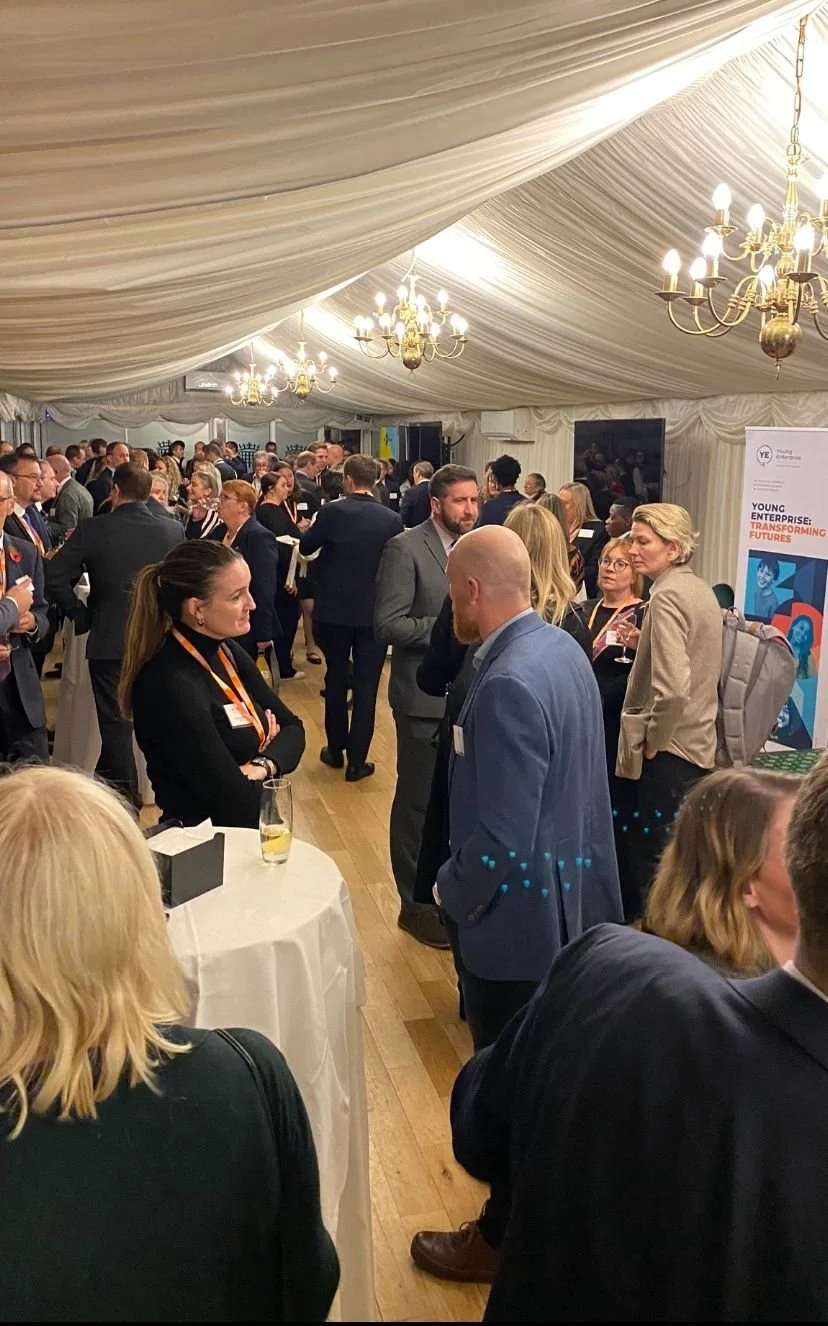
In mid-September each year, New York City braces itself for the UN General Assembly (UNGA) meetings. During this week, the city plays host to hundreds (perhaps thousands) of gatherings that bring together leaders from non-profit organizations, businesses, and governments. Many of JA Worldwide’s key partners are present during UNGA week and it is a convenient place to have partnership meetings each year. This year, JA Worldwide is not only attending events during UNGA week, but also leading and organizing several events that enable us to lead conversations on the issues impacting young people the most.
For the 81st Session of the UN General Assembly (UNGA 81), the theme is “Restoring trust and managing transformation: A United Nations that delivers for all.” In reflecting on this theme and preparing for the numerous engagements coming up this week, I find myself thinking about our approach to partnerships at JA.
Nearly a decade ago, we made an important choice about the kind of organization—and the kind of brand—we wanted JA to become. We chose to become an abundant, collaborative, inclusive brand.
At the time, this represented a meaningful shift in thinking. Historically, like many large nonprofit organizations, JA developed our own content, delivered it through our own channels, and put our own brand prominently on what we created. There was understandable pride in what was ours.
Beginning with our strategic plan in 2017, we chose to move toward a collaborator model. We recognized that JA did not need to create everything ourselves to create extraordinary impact. Other organizations and companies were developing exceptional educational experiences, technologies, and ideas, while JA had assets others did not have: extraordinary access to schools; deep local relationships; corporate volunteers; and the ability to translate, customize, and deliver experiences into relevant cultural contexts around the world.
Why replicate what someone else was doing well when we could combine their strengths with ours?
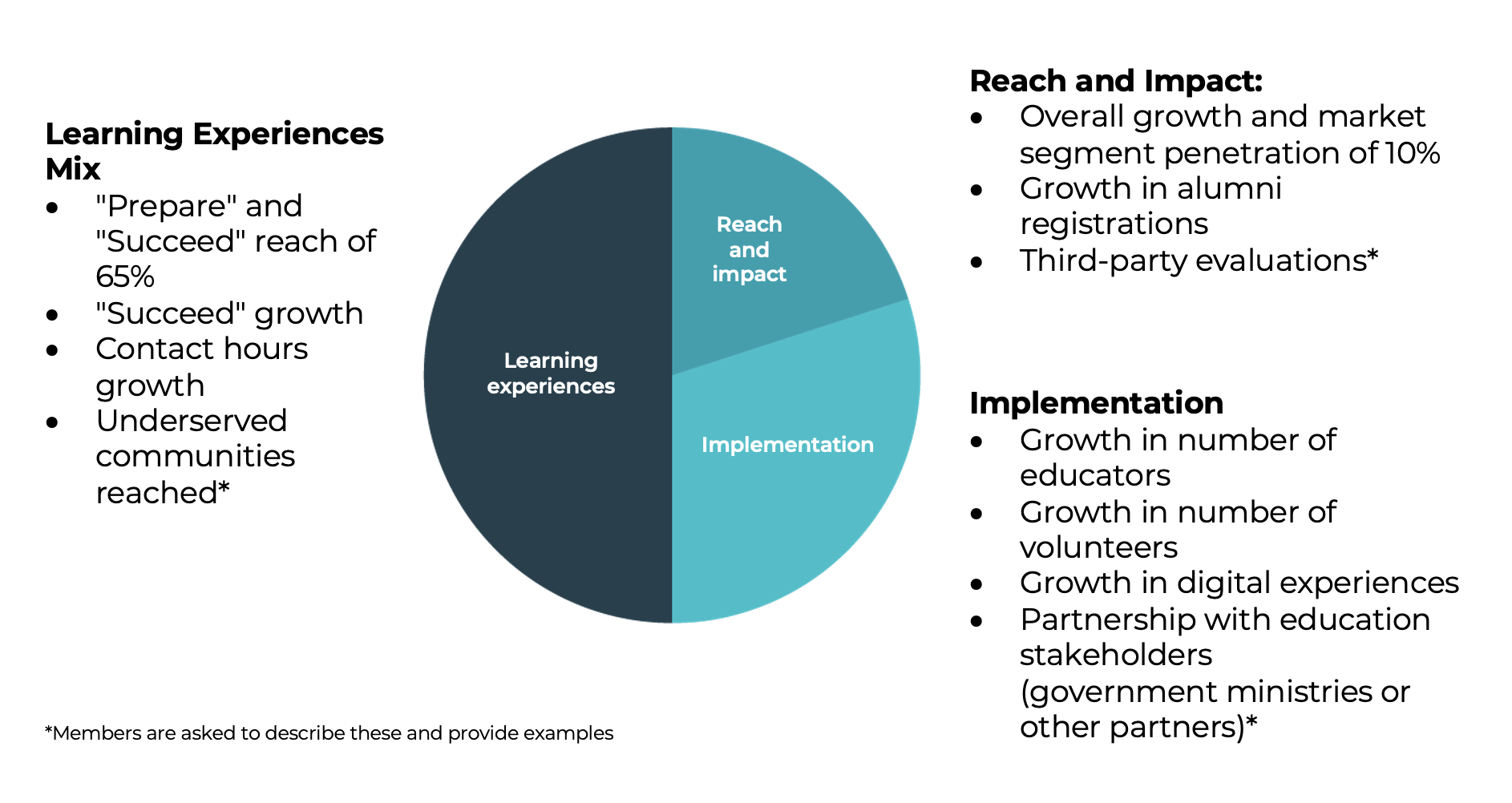
That philosophy has continued through each of our subsequent strategic plans, including in our current “Thrive” 2026–2028 strategic plan. Along the way, we’ve built new mechanisms for sharing learning experiences across our network and developed increasingly ambitious partnerships with companies, foundations, governments, and other institutions.
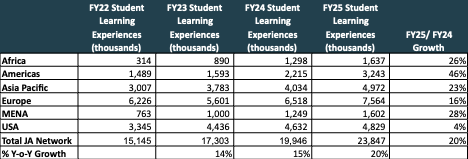
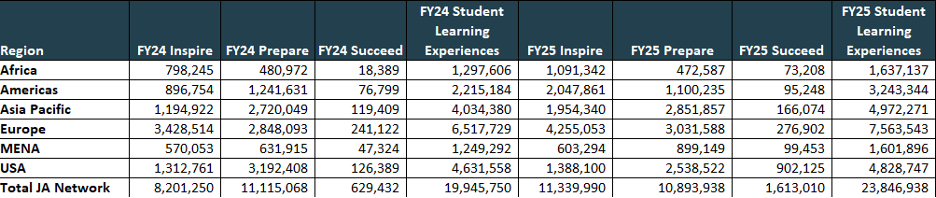
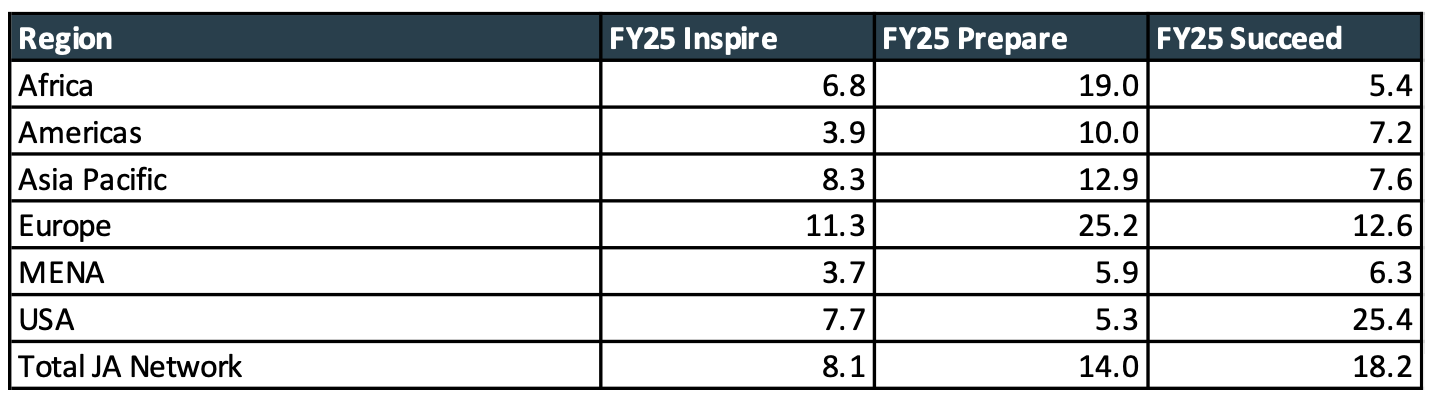
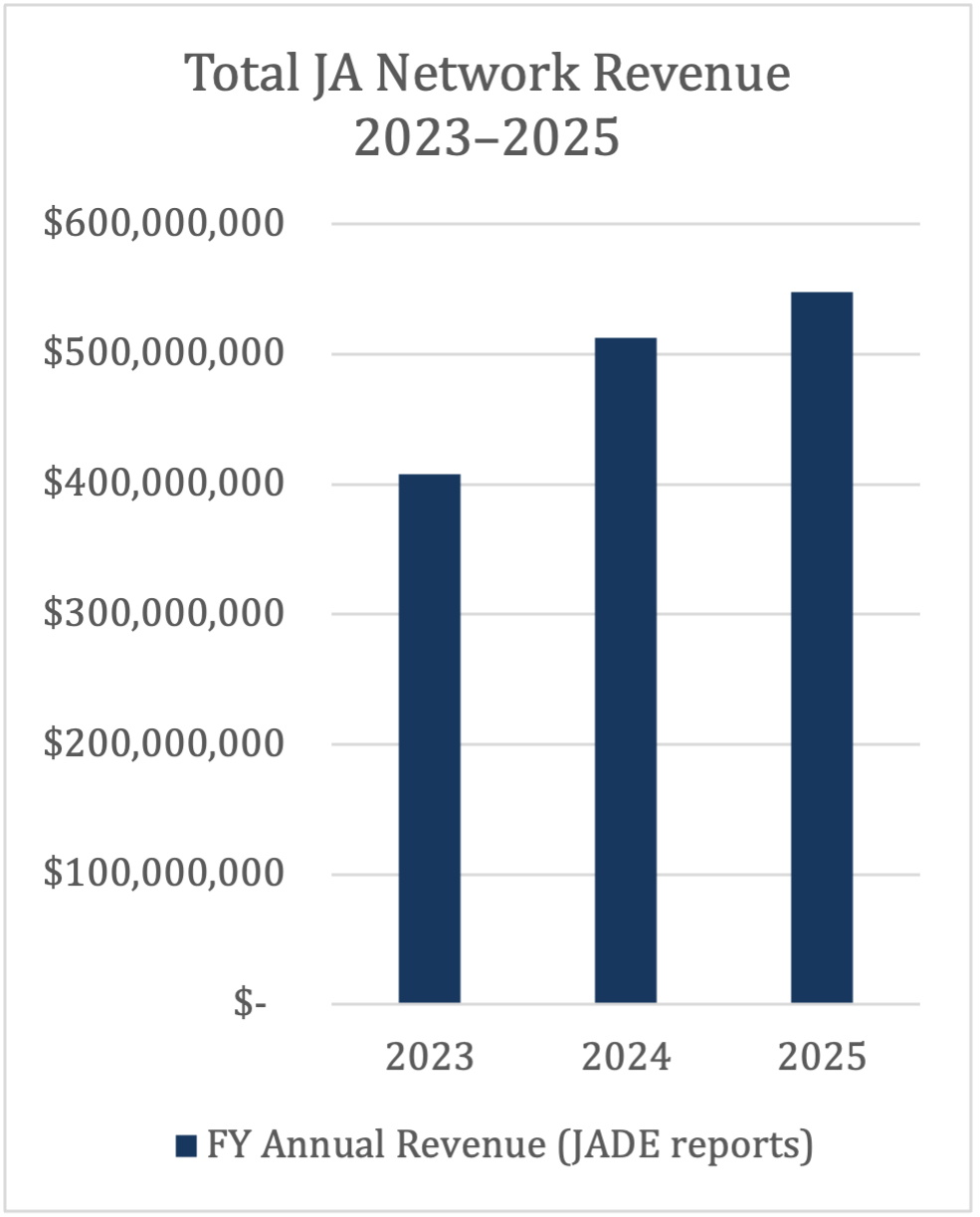
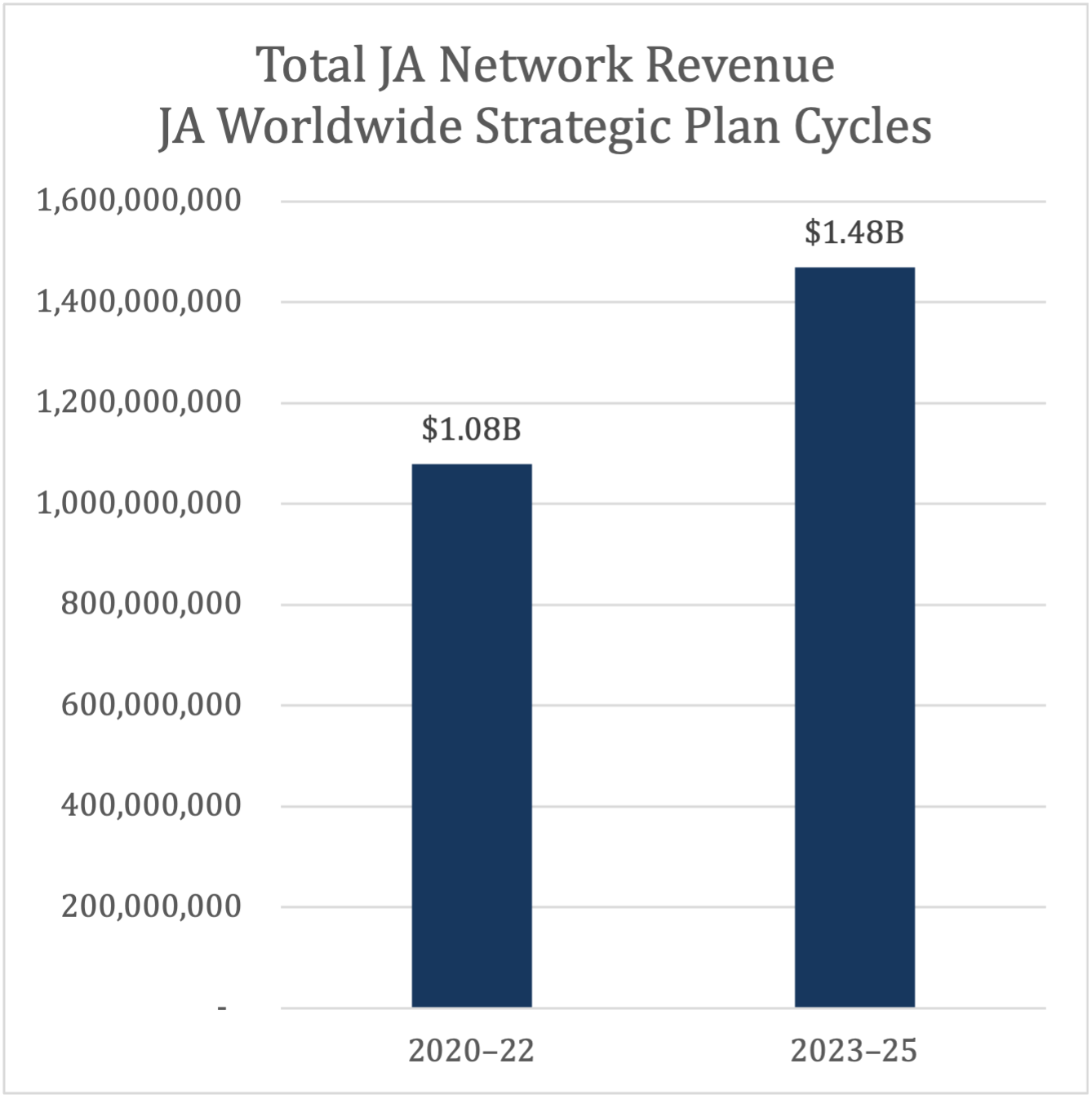
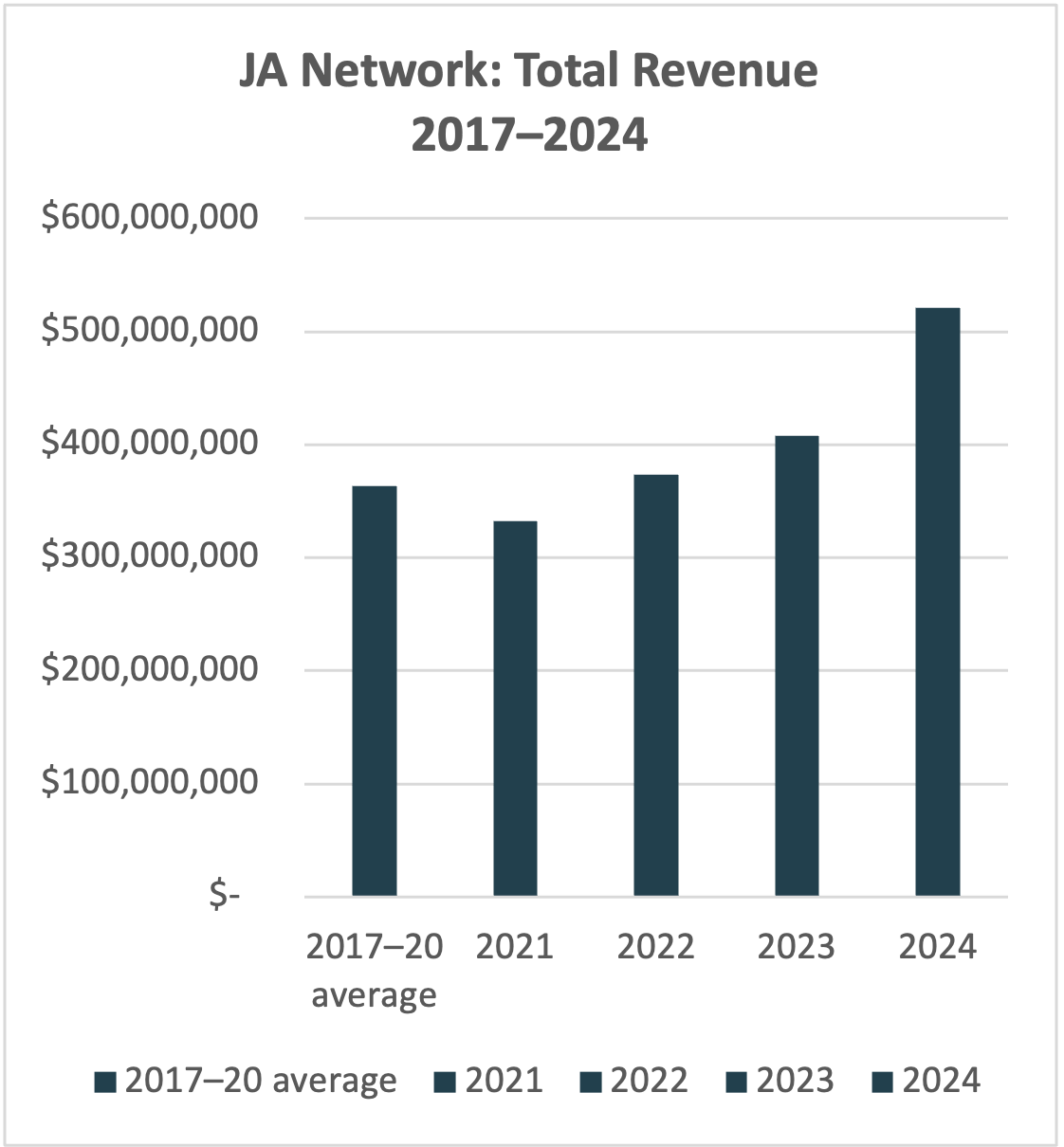
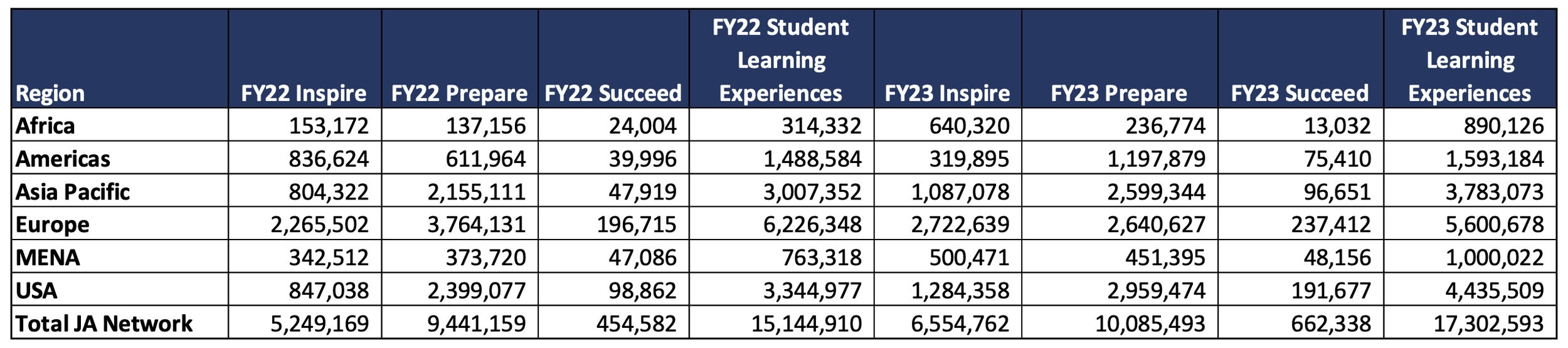
The results have been significant. Over this period, JA’s reach, revenue, contact hours, deeper learning experiences, and evidence of student outcomes have all increased substantially. Collaboration did not dilute JA. It made us stronger.
If we believe in being an abundant brand, how should we think about other nonprofit organizations? There are two very different lenses we can use.
We can view them primarily as competitors. They may approach the same funders, operate in the same schools, seek relationships with the same governments, or serve the same young people. Through this lens, it becomes natural to compare ourselves: Who is larger? Who raises more money? Who makes a bigger impact? Whose brand is better known?
Some comparison is healthy. Benchmarking helps us understand our performance, learn from others, and set ambitious goals. But comparison and competition are not the same thing.
The alternative is to look at another organization and ask: What can we learn from them? What assets do they possess that we don’t? And what could we accomplish together that neither organization could accomplish alone? That is the abundant-brand mindset applied to the entire nonprofit ecosystem.
JA brings extraordinary assets to that ecosystem. We have relationships with schools and educators built over generations. We have deep relationships with employers and some of the world’s largest companies. We mobilize volunteers at enormous scale. And yet, with all that, we don’t have every asset we need to accomplish our mission.
Another organization may have deeper relationships with national governments or local governments. Another may be much better at mobilizing young people online, in summer camps, in after-school youth centers, or in settings in which we do not specialize. Another may have extraordinary advocacy, humanitarian, or community capabilities.
An abundant mindset doesn’t ask whether their strength threatens ours. It asks how their strength might amplify ours, and how ours might amplify theirs.
This distinction matters because I still occasionally hear organizations that work with young people described as our “competitors” in JA board meetings, staff meetings, and other convenings. I understand the shorthand. We sometimes pursue the same funding, talent, or opportunities. But I increasingly believe that framing is outdated, because the problems in our communities—and throughout the world—are too large for it.
A competitive mindset begins with scarcity: There is a finite pool of money, attention, access, and recognition, and therefore another organization’s gain will be our loss.
An abundant mindset begins with impact: There are hundreds of millions of young people who need opportunities, and no single organization possesses all the capabilities required to reach them.
In an abundant world, leadership doesn’t always require ownership. I believe funders increasingly understand this as well. The scale and complexity of today’s challenges—from youth unemployment and economic mobility to preparing young people for an AI-enabled economy—are encouraging companies, foundations, governments, and multilaterals to think beyond individual grants to individual organizations.
They are increasingly asking what combinations of organizations and capabilities can produce impact at a fundamentally different scale. This is why I am particularly excited about several major new partnerships that we expect to announce in the coming weeks. These initiatives enable JA Worldwide and other JA entities to lead coalitions of non-profit organizations, collaborate with others, and maximize impact for the youth we serve.
We are getting better and better at this type of collaboration. Here are just two examples: JA Europe has led the Code4Europe consortium, JA Africa’s focus on systems change has attracted new funders to accelerate impact. In fact, there is strong alignment among the strategic plans from all six JA regional operating centers and JA Worldwide on this dimension. Each strategic plan includes a focus on cultivating partnerships to drive economic outcomes for the youth we serve.
As leaders from around the world gather this week to consider how we navigate enormous global challenges, I hope we carry this same spirit into our own work. The more generously we share our strengths—and the more deliberately we connect them with the strengths of others—the more possible our mission becomes.
Until next time,
Asheesh